
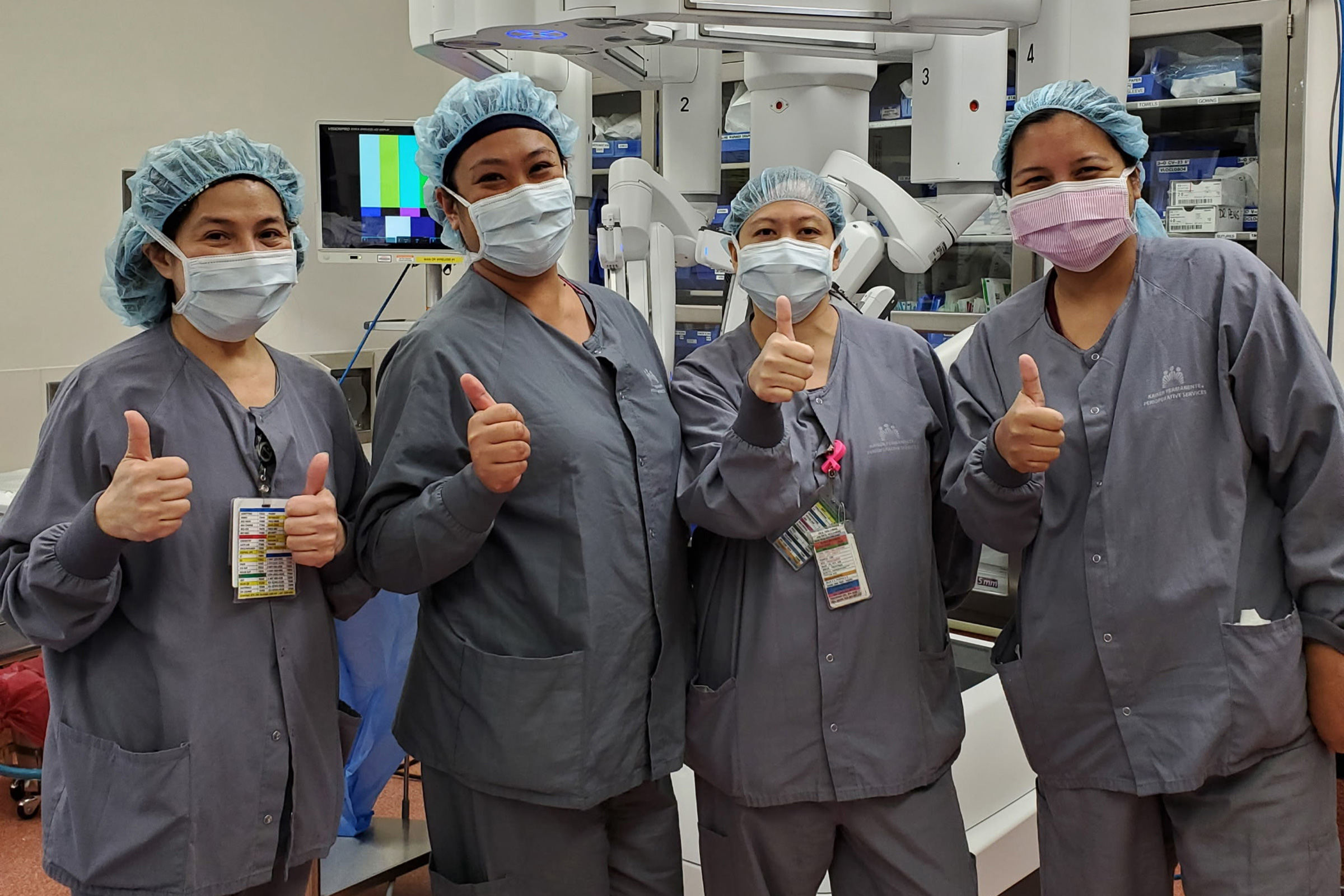
South Sacramento’s (SSC) main operating room has embraced advanced robotic technology, now a global standard in surgical care. Robotic surgery uses 3D visualization and precision instruments for minimally invasive procedures, offering benefits such as reduced bleeding, minimal scarring, fewer complications, lower infection rates, less pain, and shorter hospital stays. These advantages help patients recover faster and return to daily life sooner.
The SSC Robotic Team provides 24/7 access for conditions including lung cancer, hepato-biliary diseases, bariatric and urological cancers, gynecological and colorectal issues, trans-oral resections, and hernias. This ensures even emergency cases benefit from cutting-edge techniques.
Staff development is a cornerstone of the program. Nurses and scrub technicians undergo multiple training rotations to build expertise. On May 3, 2025, SSC launched a focused training program for surgical technicians, supported by regional staff, the Robotic Chief, and Da Vinci representatives. Training covers instrument care, back table setup, and troubleshooting, ensuring technicians are confident and prepared.
Nurses shared unique perspectives on SSC’s robotic program. Carminda Pantoja, RN, commented, “I possessed a unique and comprehensive perspective on surgical robotics, combining high-level professional expertise with the invaluable insight of being a patient myself. Having personally undergone a robotic procedure, I am able to share a vital first-hand account of a patient’s journey to recovery. I leverage this unique dual perspective – Nurse and Patient – to enhance staff empathy during training and to significantly alleviate anxiety to patients undergoing the same surgery.”
Ian Pascual, RN, added, “I can say that my 3-day robotic training as a circulating nurse was enough to learn the basics in robotic surgery. How to drive and position the robot was made easy as it does not choose the anatomy on the robot. It was straight-forward and was not as complicated as I thought.”
SSC currently operates three robots and plans to add more in the future, reinforcing its commitment to innovation and excellence in surgical care.