
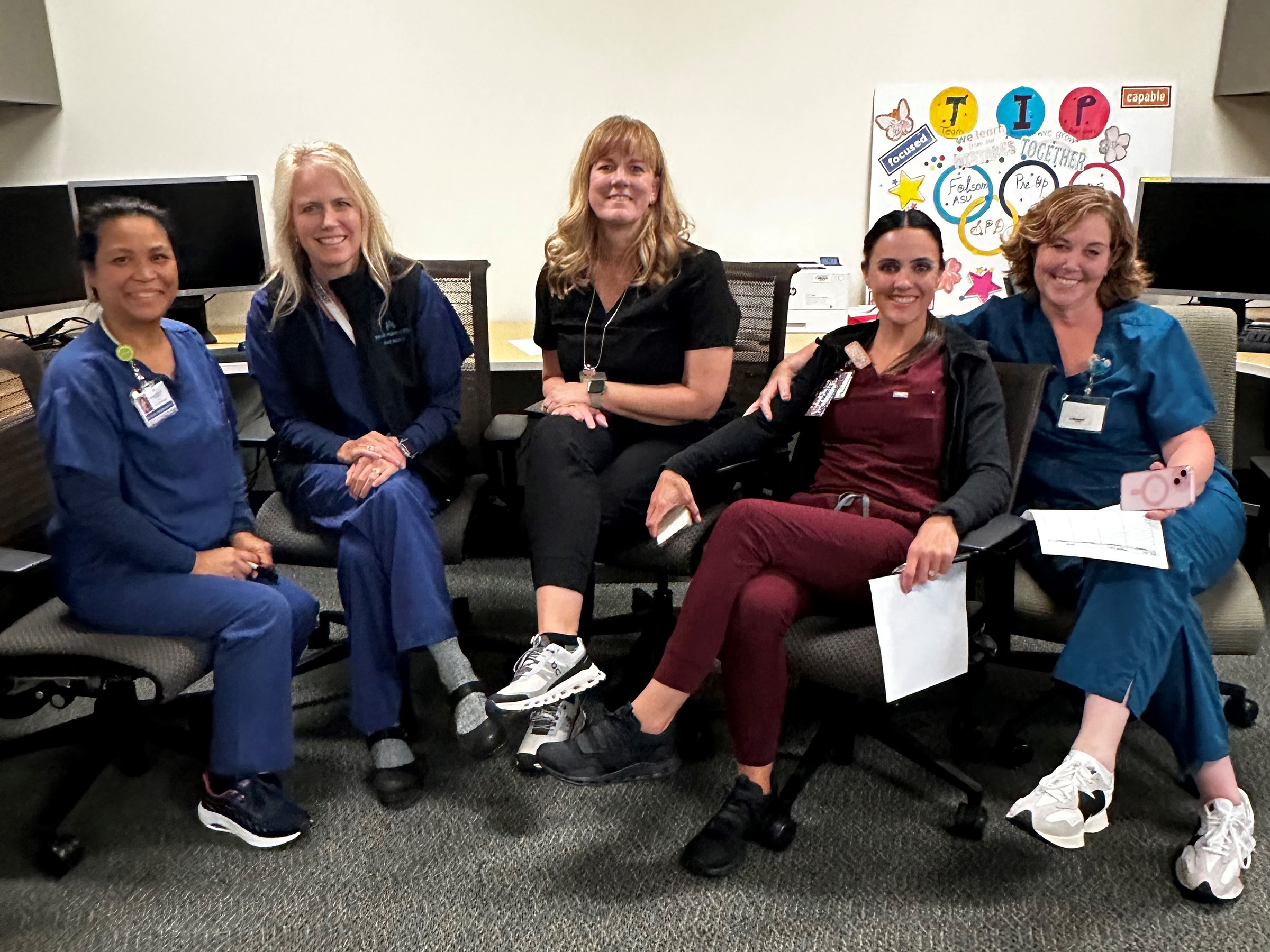
At Kaiser Permanente Folsom Ambulatory Surgery Unit (ASU), nurses observed a persistent issue affecting surgical efficiency and patient experience: frequent last-minute cancellations due to gaps in preoperative readiness. These disruptions not only strained surgical schedules but also contributed to increased patient anxiety and delays in care.
In response, the nursing team launched the Preop Phone Call Project, a proactive initiative designed to enhance patient communication, preparation, and clinical optimization. The project introduced a structured outreach process that began with a secure message sent to patients 24 hours before their scheduled procedure. This message reinforced essential preparation instructions and served as a reminder of key steps to follow. Following this, nursing staff conducted personalized “warm phone calls” to clarify instructions, answer questions, and assess readiness.
To further strengthen the process, nurses performed targeted chart reviews, referred to as “shallow dives,”48 hours prior to surgery. These reviews focused on identifying and resolving potential barriers to optimization, such as pending lab results, medication adjustments, or management of comorbidities.
The overarching goal was to reduce same-day cancellations by 30%, while improving both patient experience and operational efficiency. Early outcomes from the initiative have been promising. Patients expressed feeling more supported and better prepared for their procedures, while staff reported smoother scheduling and increased ability to backfill surgical slots when cancellations did occur. The combination of layered communication and clinical vigilance has led to a measurable reduction in avoidable cancellations.
This nurse-driven initiative highlights how proactive communication, clinical vigilance, and patient-centered care can reduce avoidable cancellations while enhancing the surgical experience. The Preop Phone Call Project truly demonstrates nurses leading change, improving outcomes, and placing patients at the center of care.