
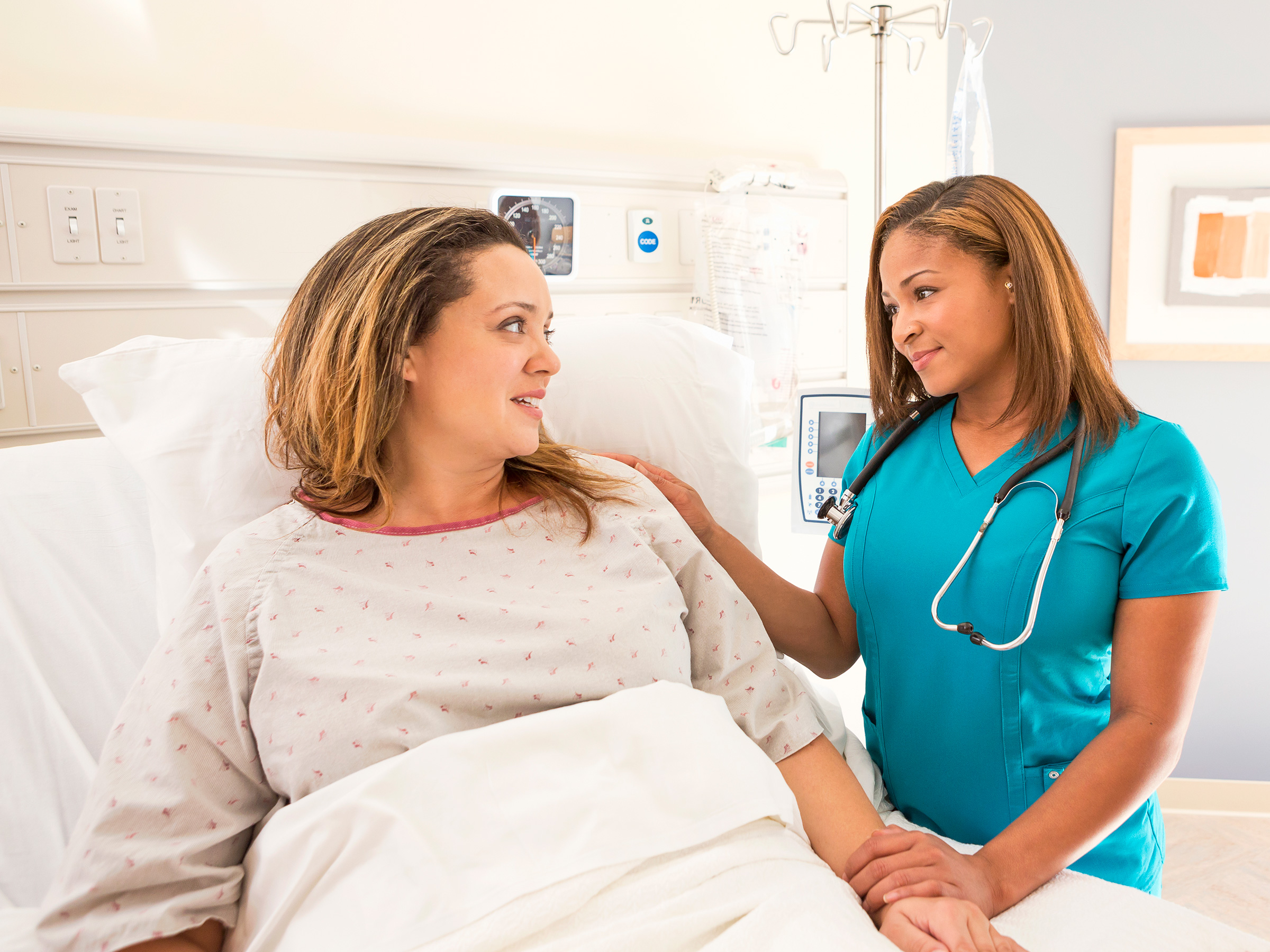
Working in the Kaiser Permanente Fremont Medical Center Medical Psychiatric Unit (MPU) requires preparedness for potential behavioral distress. Patients in MPU settings are at a higher risk for behavioral escalation, and the least restrictive measures and non-pharmacologic approaches do not always prevent escalation.
When situations worsen and all alternative restrictive options are exhausted, the use of restraints may become necessary to ensure patient safety. However, restraining a patient carries significant risks, including impacts on patient care experience satisfaction, and potential deterioration in their condition. By understanding these risks and recognizing the importance of using restraints only as a last resort, staff can provide more compassionate and effective care, ultimately improving the patient experience and fostering a safer, more supportive environment for healing.
To strengthen MPU’s mission to sustain safe, effective, and reduced application of restraints, a group of MPU clinical nurses along with the unit educator reviewed the literature on the importance of implementing educational interventions to develop effective skills in reducing physical restraints. Clinical nurses advocated educational initiatives to ensure the approach to patient care is aligned with the goals of improving the patient care experience and reducing the use of restraints conducted during annual skills day and orientation.
Following the training on seclusion and restraints on skills day, nurses and mental health workers expressed knowledge and demonstrated competency and ability to: apply restraints safely, document accordingly and monitor the patient’s safety during this procedure, demonstrate knowledge on indication, restrictive measures and verbalize safe de-escalation techniques, and discuss restraint reduction.
The care experience question, “How often did nurses treat you with respect and courtesy?” has consistently shown improvement, remaining above the National Research Corporation average. This indicates that our MPU patients are more satisfied compared to the benchmark population.