
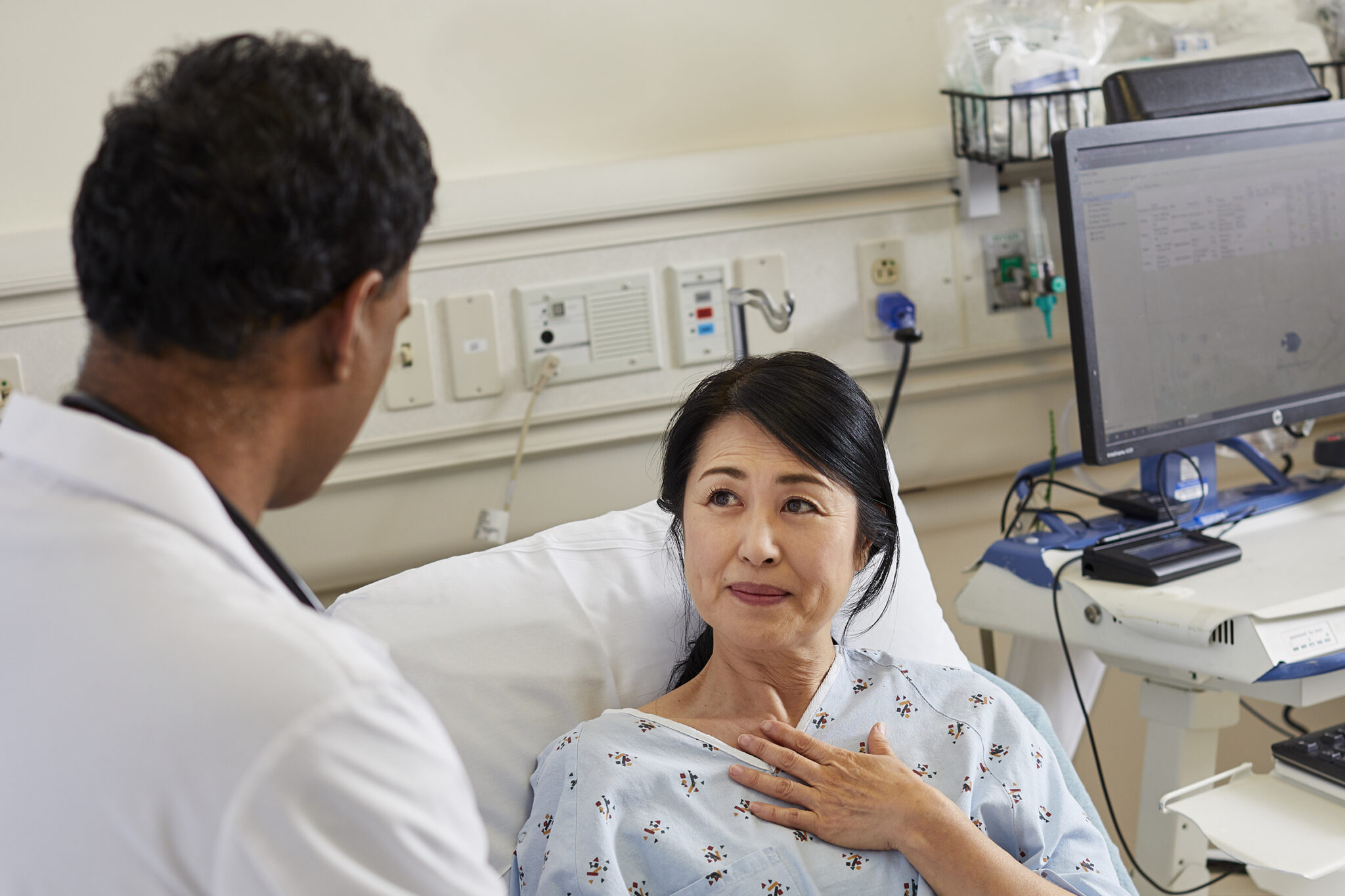
An 82-year-old woman with several chronic health conditions was treated at Kaiser Permanente Santa Clara’s Emergency Department after experiencing a fall at home. A nurse trained in geriatric assessment applied the 5Ms framework —mobility, mind, medications, multicomplexes, and what matters most — to guide the evaluation. This approach revealed that the patient lived alone and was dehydrated, factors that contributed to her fall, along with medication mismanagement.
To address these concerns, a multidisciplinary team consisting of a nurse, physician, social worker, and patient care coordinator developed a personalized care plan. The care plan encompasses treatment for injuries, a comprehensive medication review, and proactive measures to prevent future falls. These practices reflect the ED’s commitment to specialized care for older adults, a population expected to grow significantly from 58 million to 82 million by 2050, according to U.S. Census projections.
In May, Santa Clara earned Level 2 Geriatric Emergency Department Accreditation (GEDA), joining nine other Kaiser Permanente Northern California EDs with this national recognition. Accreditation requires meeting rigorous standards, including staff education, geriatric-friendly environments, and quality improvement measures.
Nurses were instrumental in achieving GEDA by conducting self-assessments, auditing charts, and integrating geriatric protocols into daily workflows. They also led training initiatives and collaborated across disciplines to ensure best practices were consistently applied. This achievement aligns with Kaiser Permanente’s goal to expand GEDA across all regional EDs.
By addressing both immediate injuries and underlying health risks such as dehydration and medication issues, the ED improves patient outcomes and reduces readmissions.
“Our patients and families can be assured they are receiving care from a team that meets national standards and understands the complex needs of older adults,” said Hazel Aspiras, MSN, RN, and ED nurse manager. This holistic, age-specific approach enhances safety, quality, and dignity for older patients.