
Across the nation, pediatric patients represent a unique and vulnerable population, requiring care that is developmentally appropriate, timely, and family-centered. At Kaiser Permanente Roseville, this need inspired a focused effort to improve pediatric emergency care.
In 2024, the Roseville Emergency Department (ED) treated 23,939 pediatric patients. A process improvement project identified gaps in the quality of care for this population. Using evidence-based practice, the team developed targeted solutions to enhance both care quality and patient experience.
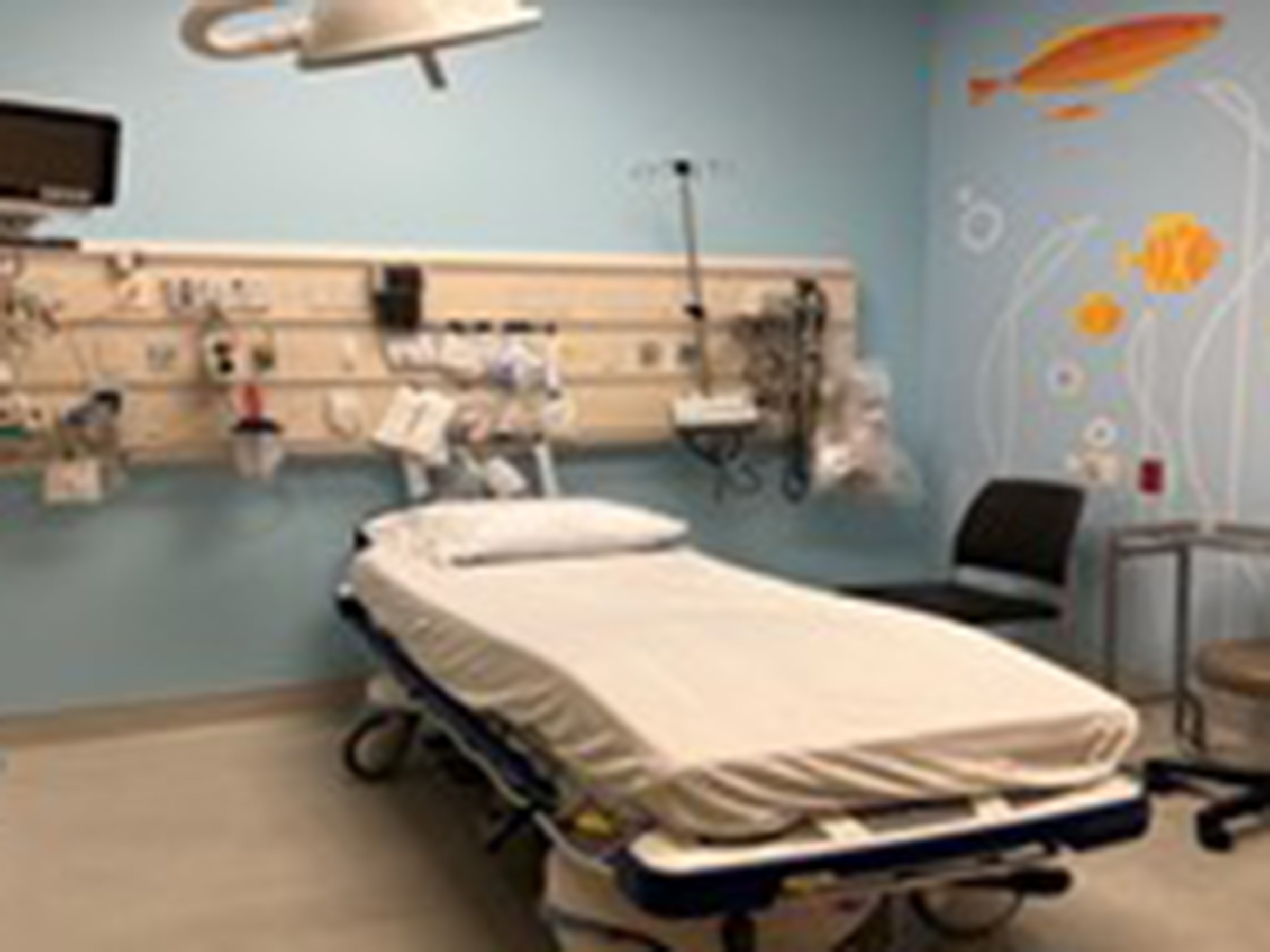
In January 2025, eight dedicated pediatric care spaces were created, four rooms and four hallway treatment areas. Staff completed a four-hour pediatric emergency refresher course, reinforcing best practices and pediatric-specific algorithms.
Collaboration with respiratory therapy, pharmacy, and ED operations led to improved stocking of pediatric supplies and streamlined workflows to ensure children were treated in the designated pediatric space. Using the regional quality dashboard in KP HealthConnect, the team tracked key metrics. From January to July 2025, despite a slight decrease in pediatric census, the proportion of high-acuity patients rose significantly (18.2% to 26.4%). Even with this increase, the team achieved dramatic improvements in asthma care: door-to-albuterol time improved by 36.5 minutes, and door-to-steroid time by 47 minutes — meeting the regional goal of under 60 minutes.
This initiative demonstrates how dedicated space, structured education, and cross-functional collaboration can lead to measurable improvements in pediatric emergency care. The team continues to monitor outcomes and has created the KP Northern California Pediatric ED Playbook to support sustainable, scalable best practices across the region.