Skip to content
3 nurses smiling

Advancing stroke education through multidisciplinary collaboration 

As a Comprehensive Stroke Center, Redwood City nurses receive annual training to stay current on stroke care advancements. The Nursing Professional Development team collaborated with dietitians and speech language pathologists to creatively educate staff on the International Dysphagia Diet Standardization Initiative (IDDSI). Nurses explored food texture testing, learned to categorize diets, and understood their impact on patients with swallowing difficulties. May To, MBA, RD, Dietician, Kathryn Snow, DNP, RN, MS, SCRN, CNRN, Clinical Nurse Specialist, and Kristin Stolzel, MS, CCC-SLP, Speech Language Pathologist, presented their insights at the Pacific Stroke Association conference, extending their expertise to the broader community. 

Nurse with an IV pump

ICU nurses expand skill set and strengthen ownership of their practice 

External ventricular drains (EVDs) are used to manage cerebrospinal fluid diversion in some of the most vulnerable critically ill patients in the Redwood City Neuro ICU.  Historically, the ICU has maintained a <0.25% external ventricular drain infection rate. A cornerstone of maintaining the low infection rate is limiting the number of providers who manipulate the closed system. However, the limitation on trained staff was causing delays in critical monitoring of intracranial pressure (ICP). 

ICU nurses recognized the need to develop more superusers to utilize sterile techniques to perform tasks that were previously only performed by physicians.  Grace Malasan, BSN, RN, Lorraine Monegas, BSN, RN and Edward Cruz, RN, developed a customized procedure and competency checklist in collaboration with Kathryn Snow, DNP, RN, MS, SCRN, CNRN, Clinical Nurse Specialist.  The staff nurses held multiple training sessions to emphasize sterile technique and perform return-demonstration of skills.  There have been zero infections since the expansion of EVD skill training beginning October 2023 and throughout 2024.      


4 nurses around a sign

Improving medication communication with the GetWell Network 

After identifying a gap in medication communication through HCAHPS data, the 5 South Nursing Unit Council implemented a project to enhance patient engagement and understanding. By promoting the use of the GetWell Network, a patient-controlled information system in patient rooms, they aimed to improve scores and empower patients with better access to medication information.  

6 nurses around a care board in a patient room

Enhancing patient care through collaboration: Labor and delivery unit council  

To improve the patient care experience and strengthen communication, the Labor and Delivery Nursing Unit Council, spearheaded by Janine Bonanno, BSN, RN, RNC-OB, C-EFM, and Yasaman Badakhshan, BSN, RN, developed patient care boards in every patient room on the unit. These boards serve as a vital tool for sharing key information, ensuring patients and families feel informed and engaged in their care journey. 

To create a patient-centered design, council members collaborated with the Care Experience Council as well as the Patient Advisory Council, gathering valuable feedback directly from patients. This partnership ensured the boards met the needs of those they were designed to serve. 

A group of nurses posing on a staircase

Nurse Camp: Building a future of nursing

Nurses at Kaiser Permanente Santa Rosa (KP SRO) are dedicated to enhancing its strategies for addressing community health needs, recognizing that positive health outcomes require collaborative planning and partnerships with local stakeholders and leaders. 

Under the visionary leadership of Chief Nurse Executive/Chief Operating Officer Vicky Locey, DNP, MBA, RN, NEA-BC, Santa Rosa has fostered meaningful connections with local high schools to inspire the next generation of healthcare workers. As part of her commitment to advancing nursing practice, Locey believed in creating pathways for high school students to explore healthcare careers, with the aim of encouraging them to remain in the community after graduation and serve the health needs of their local population. 

In collaboration with the Voice of Nursing Committee, Locey spearheaded the creation of an innovative educational program known as Nurse Camp. This hands-on, onsite career development initiative provides high school students with a unique opportunity to experience the nursing profession firsthand. Through interactive training and mentorship, Nurse Camp has become a cornerstone of KP SRO’s efforts to inspire and prepare future healthcare leaders. 

In December 2024, Kaiser Permanente Santa Rosa (KP SRO) welcomed 25 students from Windsor High School for an immersive day of simulation and hands-on learning about healthcare careers. The event aimed to inspire the next generation of healthcare professionals by providing a behind-the-scenes look at the vital work performed by providers. 

Students participated in engaging, real-world scenarios, including: 

  • Hand Hygiene Exercise: Highlighting the importance of infection prevention. 
  • Newborn Baby Delivery: Offering a glimpse into labor and delivery care. 
  • Pediatric Choking Simulation: Teaching life-saving techniques for emergencies. 
  • Adult Stroke/Code Blue Response: Demonstrating rapid intervention in critical situations. 
  • Perioperative Simulation: A playful “surgery” activity inspired by the game Operation.

KP SRO partnered with a local ambulance company to give students an up-close tour of an ambulance and insights into the roles of EMTs and paramedics. The day concluded with a tour of the Emergency Department, where students saw firsthand how teams work together in high-pressure environments. 

Nurses from the Voice of Nursing committee volunteered their time and expertise to lead the simulations, ensuring a meaningful and educational experience for the students. At the end of the event, students were celebrated with a certificate ceremony, acknowledging their participation and engagement. 

This day of hands-on exposure exemplifies KP SRO’s commitment to community partnership and fostering interest in healthcare careers among local youth. 

A group of nurses smiling

Building a thriving team: An innovagtive approach to employee engagement

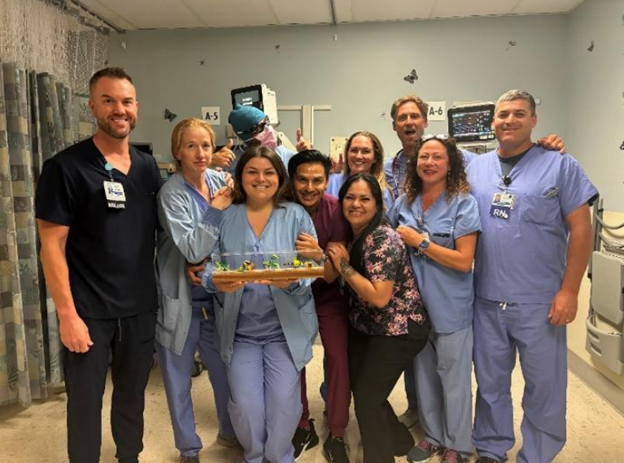
Dana’ya Bastos-Amaro, MSN, RN, Nurse Manager in the Perioperative Services department at Kaiser Permanente Santa Rosa, took on her new role last year with a commitment to transforming both departmental dynamics and employee engagement. Bastos-Amaro knew that she could utilize People Pulse survey feedback from her team to make positive changes in the department. “For People Pulse, I didn’t want the team to just click a box, I wanted them to say what was really on their mind,” said Bastos-Amaro. “I was ready to hear the good, the bad, and the ugly.” Bastos-Amaro also wanted to cross the operational divide between the pre-op and post-op teams so that all nurses could connect and be available to perform for either department. Bastos-Amaro devised a creative way to bridge that divide while spurring participation in the People Pulse survey, the Lego idea was hatched.   

Once an employee completed the spring People Pulse survey, Bastos-Amaro gave them a cup with a colored ribbon around it. Inside the cup were Lego pieces that made up a part of a Lego model and candy. Employees had to find their colleagues who had the corresponding-colored ribbon to complete their team’s Lego model. The teams were intentionally formed to encourage connection among employees who did not normally interact. The Lego construction project was themed around a garden with teams building flowers and pollinator bugs. These Lego models represented the interdependence of the team and highlighted the idea that their collective efforts would help the department thrive.  

Nurses were excited and pulled together to take the survey and complete their Lego models. As a result, the Pre-op and PACU departments had a 100% completion rate for the spring People Pulse survey. Bastos-Amaro received genuine and actionable feedback through the survey and her team experienced a significant boost in morale. Nurses who had never interacted before were now building relationships. People Pulse results and actions were being discussed in team huddles. Now, the Lego creations are displayed proudly at the medical center as a testament to the teams’ collaboration.  

Bastos-Amaro points out that People Pusle has been a great opportunity to hear from those who don’t normally speak up, ensuring all voices on the team are heard. From People Pulse feedback, Bastos-Amaro has improved interdisciplinary collaboration and department communication. Bastos-Amaro’s approach went beyond improving survey results—it fostered a culture of support, recognition, and unity within the department. Her leadership exemplifies how creativity and connection can transform a workplace, growing an environment where both staff and patients can flourish, like a garden. 

Hospital featured image placeholder

Med-Surg: Falling Star project 

At the end of 2023 and into 2024, Kaiser Permanente Santa Rosa experienced a notable increase in patient fall rates, including falls with injury, despite the continuation of the 2022 performance improvement strategies. Recognizing the need for new approaches, the Falls Workgroup initiated several performance improvement plans using the A3 template for process improvement and Plan-Do-Study-Act (PDSA) cycles. 

Key interventions included: 

  • Falls Bundle Implementation: The workgroup focused on adherence to the falls prevention bundle, utilizing the Schmid Fall Risk Assessment Tool. Particular attention was given to the Schmid mentation score to ensure that all qualifying patients had the bundle in place. 
  • Components of the Bundle: Yellow gown, socks, band, blanket, bed/chair alarm activation, and patient education on fall risks. 
  • Visual Cues: The yellow components provided a clear, immediate visual indicator for the care team and patients, enhancing awareness of fall risk. 
  • Quality Audits: Regular audits were conducted to monitor adherence to the bundle and identify areas where implementation drift occurred. 

These measures resulted in a reduction in fall rates; however, sustained success and the overall target had not yet been achieved.  

The Falls Workgroup collaborated with the Comprehensive Unit-based Safety Program (CUSP) teams from the ICU and Medical-Surgical units, leveraging their successful approaches from mobility and tooth-brushing performance improvement work as a model for progress. 

“Falling Star” Safety Initiative: 

  • A staff-led safety initiative introduced the Falling Star signage system, which included: 
  • Clear Visual Cues: Signs outside patient rooms identified those at risk for falls, increasing team awareness. 
  • Checklist Integration: Each sign featured a shift-specific checklist to ensure adherence to the falls prevention bundle, including all necessary interventions such as yellow gown, socks, band, blanket, bed/chair alarms, and patient education. 
  • Impact: This initiative increased awareness and improved consistency in implementing bundle elements. 

Despite these improvements, fall rates remained higher than desired, prompting further review and analysis by the Falls Workgroup. 

  • Identifying the Gap: The team recognized that simply knowing a patient is at risk for falls was insufficient. 
  • New “Safety Stop” Sign: 

The Falling Star signage was retired and replaced with a redesigned Falls Safety Stop sign, which includes: 

  • Individualized Risk Factors: Each sign highlights specific risk factors unique to the patient. 
  • Tailored Prevention Measures: Prevention strategies are linked directly to the identified risk factors, providing a more personalized and effective approach to fall prevention. 

The Falls Workgroup remains dedicated to evaluating the effectiveness of these strategies, using data to refine processes and achieve sustained success in fall reduction. By fostering collaboration and continually innovating, the team aims to create a safer environment for all patients. This ongoing effort underscores the commitment of the KP SRO team to refine and reinforce falls prevention strategies, ensuring patient safety remains a top priority. 

Nurses graduate from Residency Program

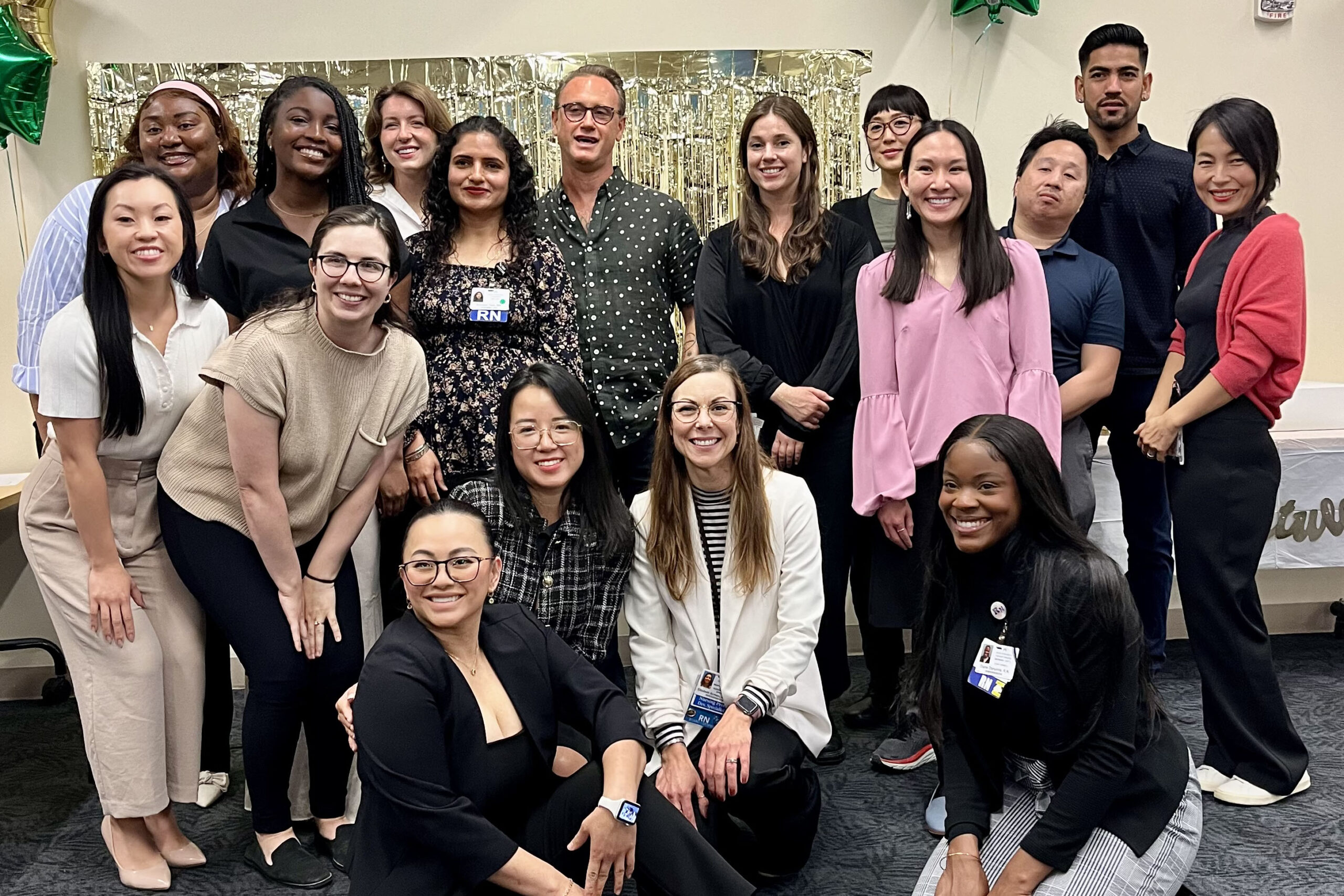
In 2024, 3 cohorts of nurse residents successfully graduated from the PTAP accredited residency program. The six-month program included didactic content, simulations and completion of an evidence-based project with poster presentation. Caring Science content was introduced to the Cohort 7 program to support implementation of caritas processes into nursing practice.  

Cohort 5 graduates pictured above, and Cohort 6 and 7 pictured below. 

Nurses smiling with certificates.

Nurses complete Caring Science training

18 nurses, including 7 nurse residents from the Oakland Medical Center successfully completed a 4-part Caring Science Module series to explore the Caritas Processes, learn about HeartMath techniques and discuss topics to promote and cultivate belonging.  These sessions were designed to support new and experienced nurses in their journey towards implementation of caring science into their practice and to develop a Caritas Consciousness. Instructors included Caritas Coaches from the Oakland Medical Center and co-principal investigators from both the Oakland and Richmond Medical Centers.  

Group of nurses gathered for remembrance day

Donor Remembrance Day 

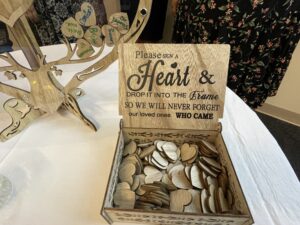
A donor day treeThe ICU created the Legacy Committee in 2022 with the mission to “honor and support grieving families by providing compassionate care, meaningful tributes and a lasting legacy for their loved ones”. The committee supports grieving families, creates meaningful tributes and foster a healing environment for staff and families.

On April 30, 2024, in partnership with Donor Network West, the Legacy Committee sponsored Donor Remembrance Day to honor and celebrate the remarkable individuals and their families who impacted others through the gift of organ donation.  

Back To Top