Skip to content
Goal milestone featured image placeholder

All Surgical Site Infection prevention strategies

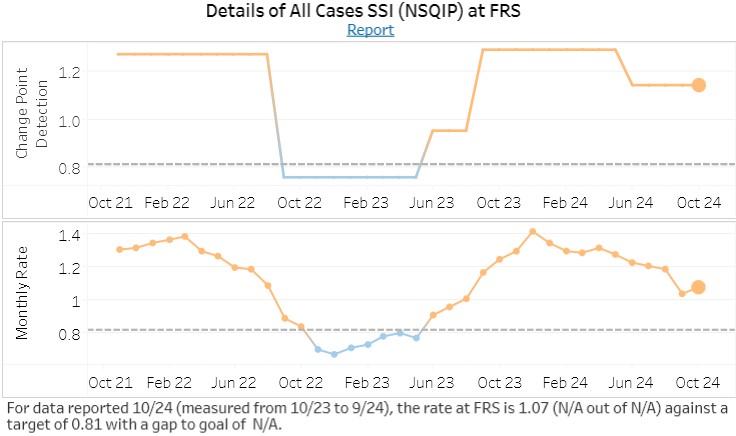
In 2023 All Surgical Site Infection (SSI) rates were at an odds ratio of 1.41, well above the targeted goal of 0.89. This was 40 SSIs. The Perioperative Services team identified the root causes contributing to the SSIs and implemented process changes that have been instrumental in the successful reduction of SSIs in 2024.

Some of the changes included standardizing discharge wound to postoperative patients being discharged from both the inpatient and outpatient setting, improvement of bundle compliance and post-op calls focused on reviewing care of the surgical incision.

With the implementation of these changes, there has been a significant decrease in number of SSIs from 40 cases in 2023 to 19 cases for 2024 currently.

SSI reduction graph

ED-Fall-Risk-sign

Emergency Department nurses bring a fresh perspective on fall prevention

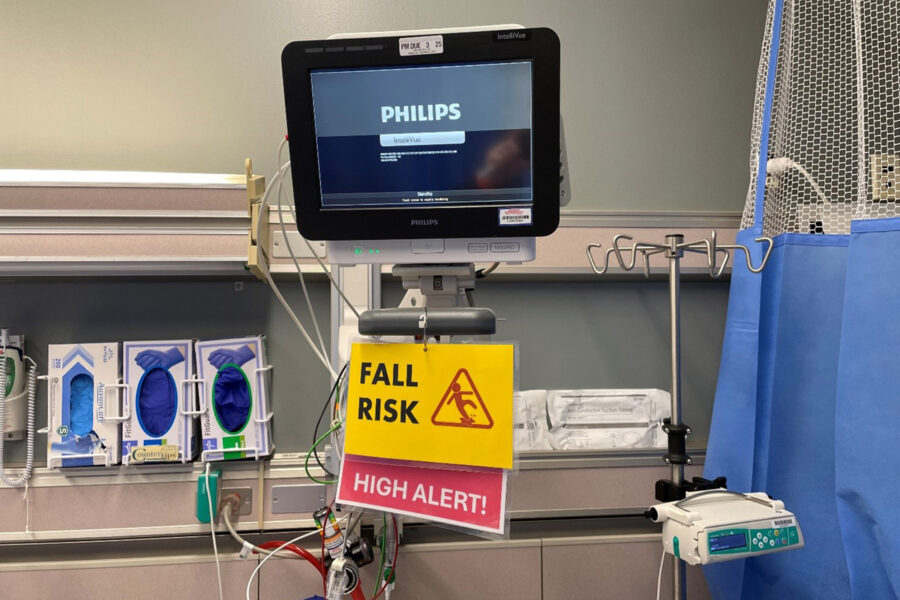
Frontline nurses, Valerie Mundy, BSN, RN, CEN and Joy Murad, ASN, RN, CEN were called to action to help redesign fall prevention in the Emergency Department. One of the key challenges identified was that fall prevention signs were not easily seen due to color and location. With some creative changes, reinvented fall prevention kits, and education provided to the ED team, they have fostered a culture of ownership and accountability which has resulted in an over 46% reduction in falls from 2023 to 2024.

ED Fall Rate

Goal milestone featured image placeholder

Reducing Central Line Associated Blood Stream Infections using adherence of bundle elements and standard work

At Kaiser Permanente Fresno, reducing Central Line Associated Blood Stream Infections (CLABSIs) was a top priority for 2024. This was achieved with standard work, high oversite, and adherence to the CLABSI bundle prevention.

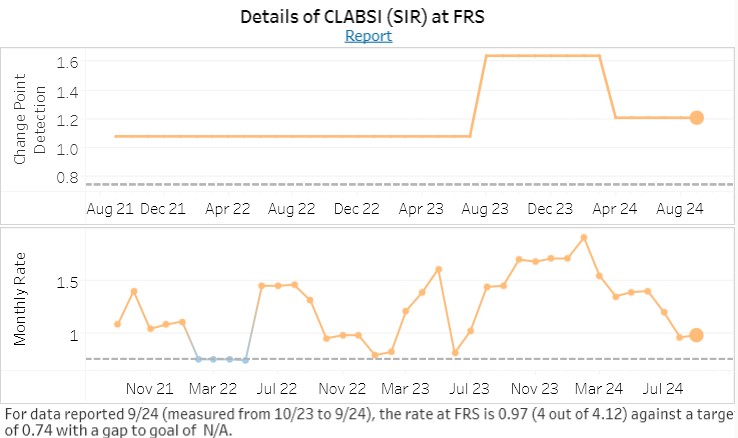
A multidisciplinary team of nurses and physicians met regularly to create the standard work implemented. Bundle elements were reviewed daily and reported during the Daily Safety Briefing (DSB) for any actions or follow up. As a result of this work there has been a 62.5% decrease in CLABSI from eight in 2023 to three in 2024. This is a significant improvement in safety for patients.

CLABSI reduction graph

Empirical-Outcomes--VIDA-Photo

VIDA (Very Important Discharge Appointment)

As we move forward on our journey to becoming a Magnet-designated hospital, VIDA stands as a testament to the innovation and dedication of our Mother Baby nurses. Spearheaded by our nurses and rolled out in the NCAL region, this project marks an important milestone in our commitment to excellence. 

Planning for VIDA began in November 2022, and we proudly launched it on March 28, 2023. This initiative, conceived and executed by the Mother Baby team and nurses, is focused on efficiently discharging eligible mothers and infants before 11 a.m.  

Our vision was clear: We aim to empower new, healthy moms to return home sooner, facilitate better rest, minimize the risk of hospital-acquired infections, and enhance the overall recovery experience in a comfortable home setting. 

The mother baby workgroup began the project by determining the eligible patients and establishing a Vida tracker. After identifying the eligible patients and setting up the tracker, the work group members-initiated education sessions for the Assistant Nurse Manager/ Relief in higher class, and staffs about the changes and the GO-LIVE date. Nurses were actively involved in the project, which helped us design and evaluate processes for improvement. Throughout this process, we maintained a strong focus on patient safety and upholding the highest standards of quality care, which are our top priorities. 

VIDA has also strengthened collaboration across various departments, including OBs, pediatricians, labs, hearing screeners, and HIM, fostering a culture of teamwork that drives success. 

The results speak for themselves: from January to October 2024, we’ve achieved significant progress in our goal of 80% of discharges occurring before 11 a.m.  

This is a remarkable success story for the Mother Baby department, and we are proud of our achievements.


Emperical Outcomes VIDA Graph

5 nurses smiling in the hallway

Maternal Fetal Triage Index

To ensure our patients are seen in a timely manner and align with the latest evidence-based practices, implementing the Maternal Fetal Triage Index (MFTI) is a crucial step in enhancing patient safety and optimizing obstetric care. In May 2023, we began our MFTI journey by educating staff on this evidence-based framework, highlighting its role in standardizing the assessment of maternal and fetal conditions upon admission. The core triage team was instrumental in leading and facilitating this education.

The MFTI framework prioritizes patients using exam flags, with Priority 1 marked in red and ascending numerically through 2, 3, 4, and 5. These visual cues streamline the triage process, ensuring patients are assessed and treated according to their clinical needs. To support the transition, experienced triage nurses and core triage team members provide guidance and oversight for 60 to 90 days following the go-live date.

Successful implementation of the MFTI requires collaboration among all team members, including RNs, midwives, physicians, and unit assistants, to ensure consistent application of the tool. Key strategies include establishing clear protocols, conducting simulation-based training, and integrating the MFTI framework into electronic health records to improve usability and compliance.

Continuous monitoring of outcomes, along with periodic reviews and feedback, is essential to refine the process. By prioritizing timely identification of high-risk conditions, the MFTI improves resource allocation and ensures patients receive the appropriate level of care promptly. This initiative underscores our commitment to advancing patient safety and delivering high-quality obstetric care.

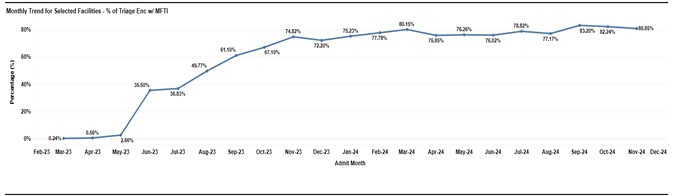
At Modesto Labor and Delivery, we have successfully embedded the MFTI process into our practice. When we first began this journey, only 0.24% of our MFTI scores were recorded. Recent data reveals significant progress, with 80.85% of our scores now being documented, demonstrating our dedication to continuous improvement and excellence in patient care.


Emperical Outcomes Maternal Fetal Triage Graph

Empirical-Outcomes-Fall-Prevention-RIE

Fall Prevention Rapid Improvement Event (RIE): Transforming patient safety

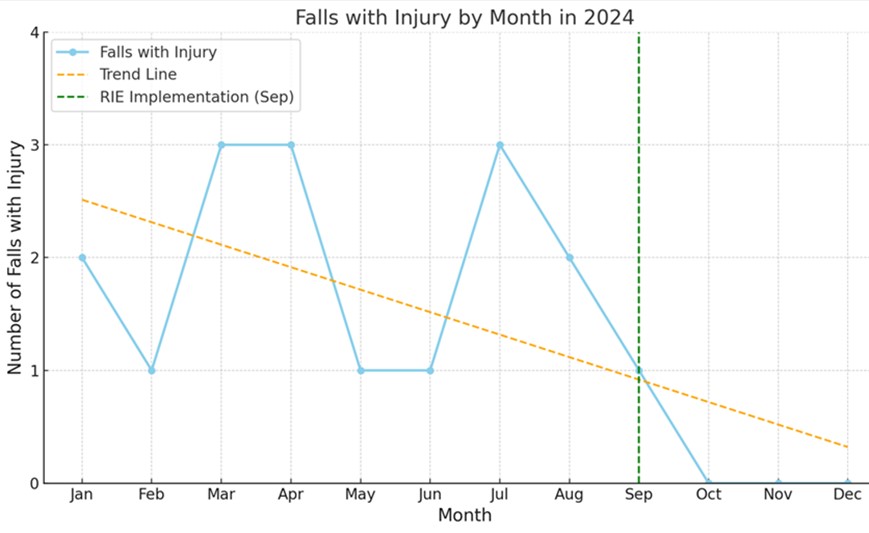
In September 2024, the Fall Prevention Rapid Improvement Event (RIE) marked a transformative milestone in patient safety at Kaiser Permanente Modesto Medical Center. Before this initiative, the Medical-Surgical Units had recorded 13 falls with injury year-to-date, underscoring the urgent need for action. Falls posed significant risks to patient recovery, impacted care quality, and highlighted the necessity for systemic improvements. Under the dedicated leadership of Lorry Quintero, MSN (Clinical Adult Nursing Director), and Sameer Khullar, DNP (Lead Quality Nurse Consultant), the RIE brought together an interdisciplinary team led by frontline nurses, to implement lasting solutions.

Through root cause analysis, the team identified key contributors, including inconsistent rounding practices, delayed responses to call lights, and environmental hazards like cluttered pathways. Using the Plan-Do-Study-Act (PDSA) framework, they introduced standardized hourly rounding to meet patient needs proactively, a “No Pass Zone” to ensure timely assistance, and targeted environmental improvements, such as decluttering and labeling mobility aids for easy access. These interventions created a culture of accountability and patient-centered care.

The results were extraordinary. Since the RIE, the Medical-Surgical Units have reported zero falls with injury, a remarkable improvement from the 13 incidents recorded earlier in the year. The accompanying graph vividly illustrates this steep decline, showcasing the sustained impact of the interventions. This success underscores the power of collaboration and innovation, led by strong, focused leadership and a dedicated team.

The Fall Prevention RIE has set a new standard for patient safety at Kaiser Permanente Modesto Medical Center and serves as a model for future initiatives. Through collaboration, data-driven strategies, and an unwavering focus on excellence, this initiative showcases that transformational change is both achievable and enduring.


Emperical Outcomes Falls RIE Graph

A group of nurses from the Maternal Child Health Team

Lactation: A cornerstone of excellence in mother-baby care

Our Mother Baby department proudly ranks among the top three in the NCAL region and is recognized for delivering exceptional lactation support. On November 25, 2021, we launched the Donor Breast Milk program in the NCAL region, piloting a groundbreaking initiative that underscores our unwavering commitment to comprehensive feeding solutions for our babies. This program thrives thanks to our dedicated lactation consultants and Mother Baby nurses, whose tireless efforts significantly enhance the health and well-being of mothers and newborns alike.

Our Mother Baby Lactation Workgroup plays a crucial role in our unit’s outstanding success. We provide extensive breastfeeding support and education for new mothers, offering expert guidance to initiate and sustain lactation. Our advocacy for optimal infant nutrition addresses challenges like poor latch, sore nipples, and low milk supply with proficiency.

We take pride in offering around-the-clock lactation support, empowering mothers to navigate their breastfeeding journey confidently. Our devoted team ensures effective feeding for babies, maximizing the countless benefits of breastfeeding for both mother and child and promoting their ability to thrive.

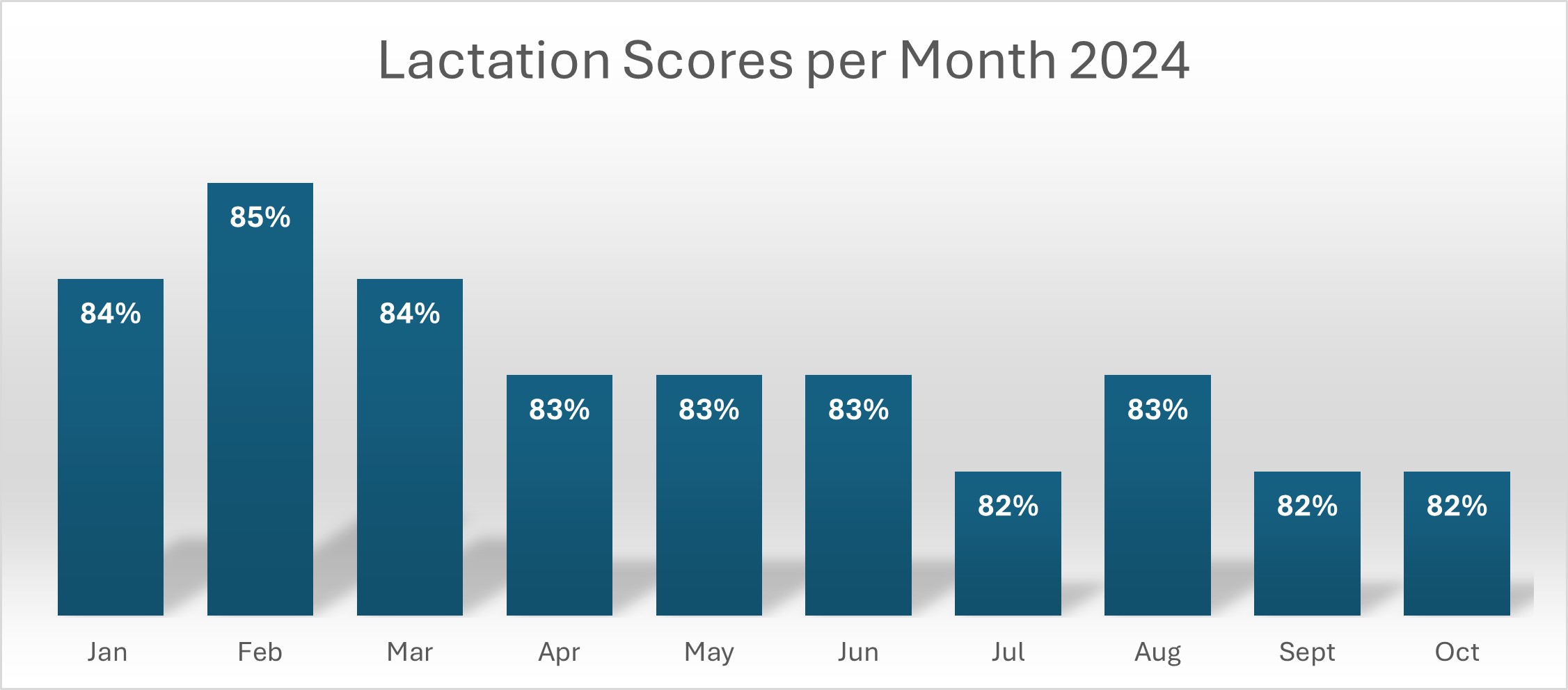
Through strong teamwork and a steadfast commitment, we profoundly impact the families we serve, solidifying our leadership in lactation care. Our goal is to maintain an 80% success rate in lactation metrics, and from January to October, we not only achieved this goal but consistently exceeded it, showcasing our relentless pursuit of excellence in lactation support.

Empirical Outcomes Lactation Cornerstone of Excellence Graph

Goal milestone featured image placeholder

Implementation of Kaizen Principles reduces hospital-acquired pressure injuries

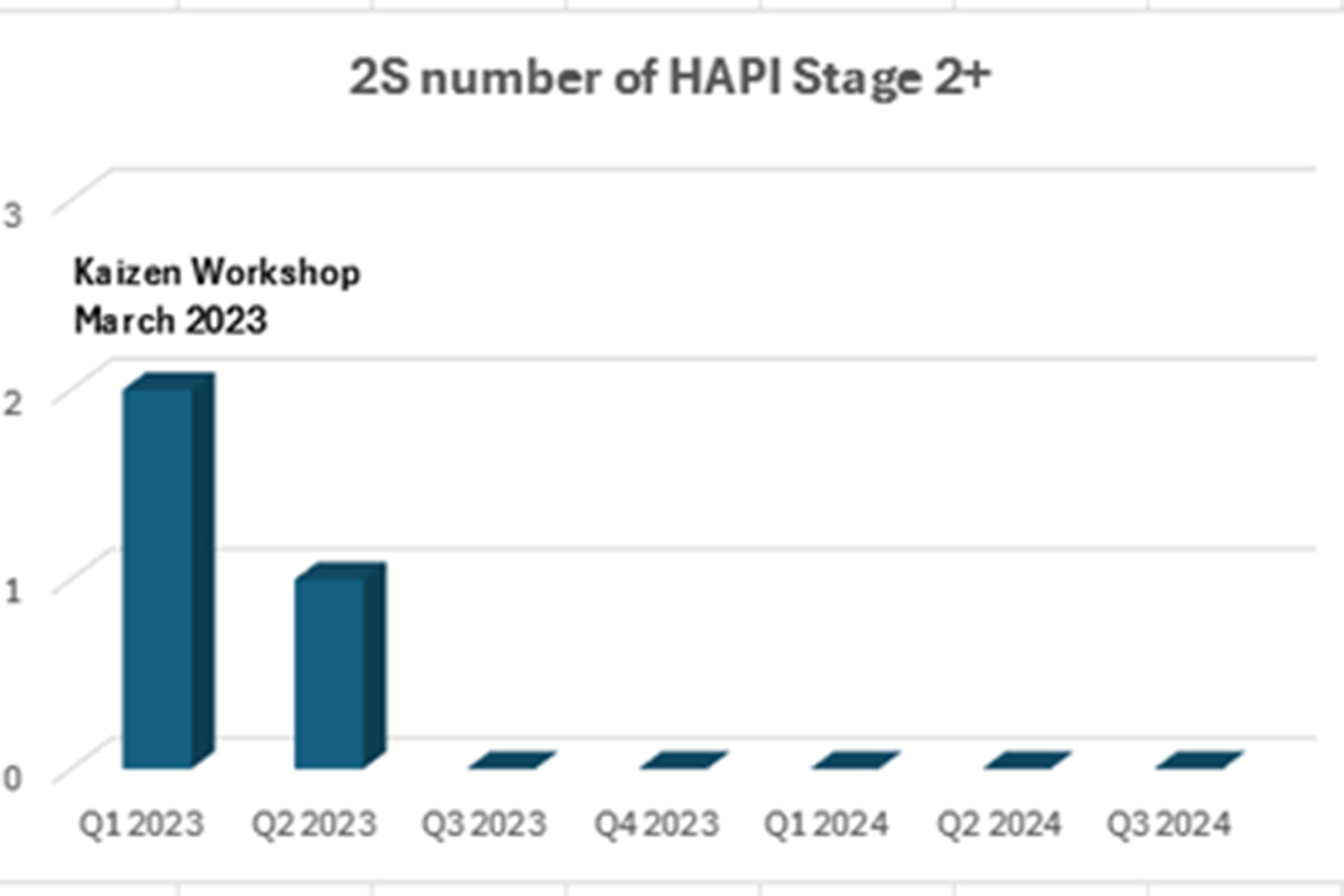
One of the Medical-Surgical and Telemetry departments, 2 South, was selected to pilot the Hospital Acquired Pressure Injuries (HAPI) reduction effort due to its high rate of HAPI stage 2 and above. A core team was formed to attend the HAPI Kaizen two-day workshop in March 2023. The HAPI Kaizen was the selected approach as it embodied the principles of Highly Reliable Organization (HRO), Human Centered Design and Performance Improvement involving frontline clinical nurses at the center of the design process in creating ideas and standard work solutions to prevent HAPI.

The workshop covered cluster analysis of opportunities and gaps in the system. Initial findings showed that patients missed every two-hour repositioning, inadequate heel protection, improper bed, missed two RN skin checks, delayed wound consultation, and inadequate moisture control. Several performance improvement tools were introduced to equip the nurses for co-designing ideas. These include process mapping, Ishikawa fishbone diagram, brainstorming and Plan-Do-Study-Act.

A significant outcome of the initiative is the 55% reduction in stage 2+ HAPIs compared to baseline rates, achieved as of November 18, 2024. A notable success is observed in the pilot inpatient medical-surgical unit, without a single HAPI event, from July 2023 to September 2024. Initial PDSA cycles demonstrated measurable process improvements, including: 1) Increased compliance in turning and skin checks 2) Adherence Monitoring: Utilization of an adherence monitoring tool showed improvements in several critical areas such as malnutrition screening, medical device-related pressure injury prevention, and pressure-reducing bed surfaces.

EO-HAPI-Data

Goal milestone featured image placeholder

Achieving zero catheter-associated urinary tract infection in the ICU

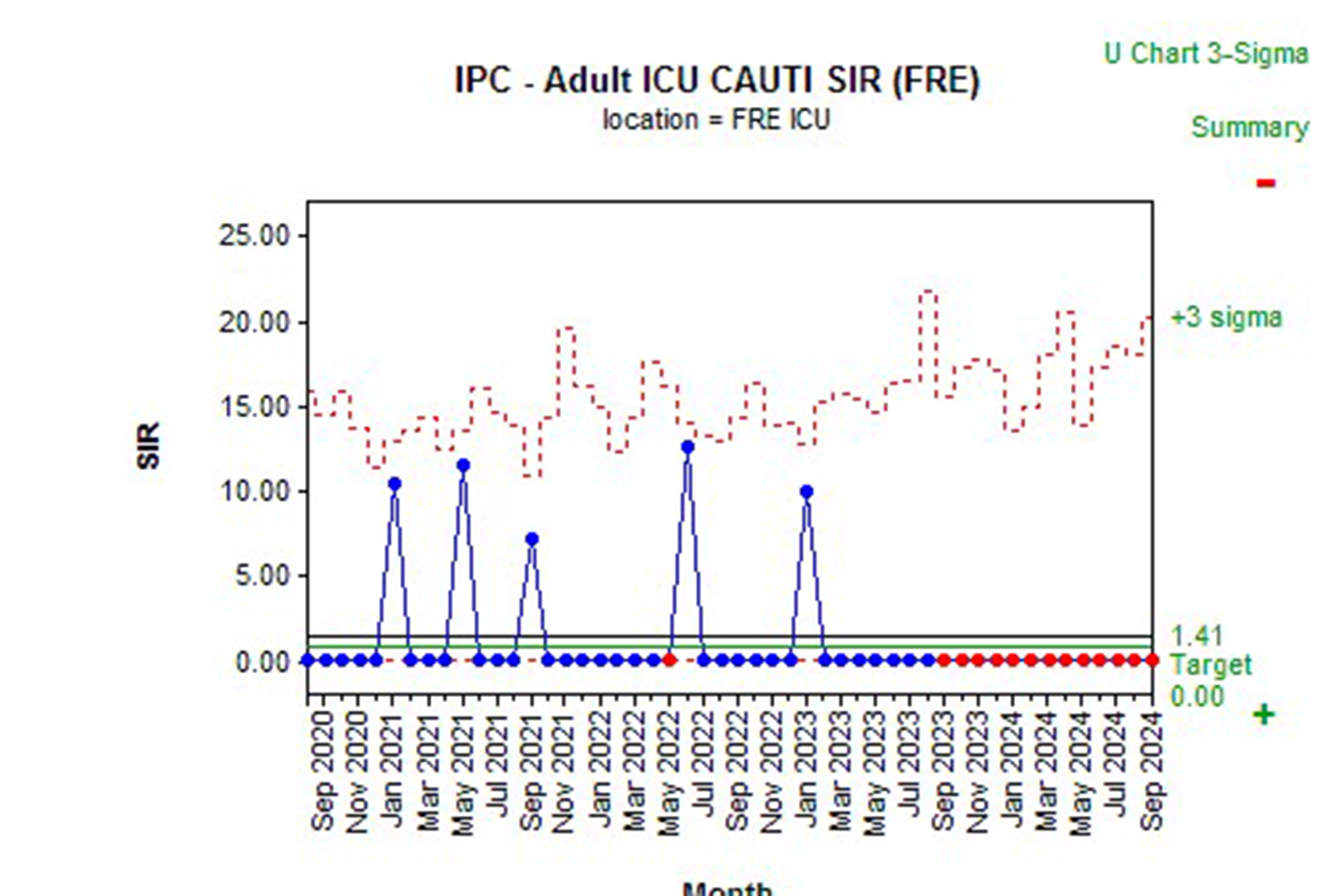
At the Fremont Medical Center ICU, achieving zero Catheter-Associated Urinary Tract Infections (CAUTIs) has been a top priority, driven by strict adherence to the CAUTI prevention bundle. This includes ensuring that urinary catheters are used only when necessary, maintaining proper insertion and care techniques and removing catheters as soon as they are no longer needed.

Our dedicated nursing team plays a critical role in this success, consistently monitoring catheter care, ensuring adherence to infection prevention protocols and advocating for early removal. Daily discussions during Multidisciplinary Rounds (MDRs) focus on reviewing each patient’s catheter status, promoting early removal and ensuring best practices are followed. Leadership support and regular staff education further reinforced these efforts, creating a culture of accountability and vigilance. As a result of this comprehensive approach, the Fremont ICU has proudly maintained a zero CAUTI rate for 2024, significantly enhancing patient safety and outcomes.

FRE-CAUTI graph
Air-Tap

ICU reduces hospital-acquired pressure injuries

In 2023, nearly half of Kaiser Roseville’s 36 Hospital Acquired Pressure Injuries (HAPIs) were attributed to the Intensive Care Unit (ICU). To address this challenge, the ICU initiated a nurse driven pilot of the AirTap system in July 2023.

The AirTap is an innovative patient repositioning system that uses air-assisted technology to reduce the physical effort required to move patients. This system helps prevent pressure injuries by offloading pressure points, minimizing friction and shear, and managing moisture during patient repositioning. Before the system was adopted and implemented in October 2023, the majority of ICU staff received training on the new technology, with Safe Patient Handling classes incorporating AirTap. Since the system’s introduction, positioning related pressure injuries have decreased by 81% in the ICU, marking a successful step toward improving patient safety and care outcomes.

Back To Top